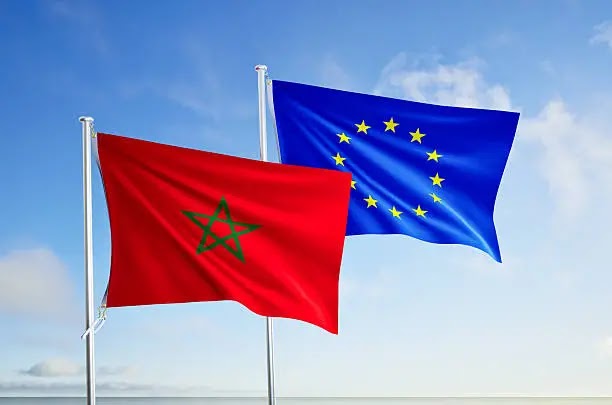
The European Union has postponed a parliamentary vote on a proposed agricultural trade agreement with Morocco until September, extending uncertainty over the future of agricultural trade between the two partners.
The agreement covers a range of agricultural products, including fresh fruit, vegetables, and processed food products, and forms part of the broader commercial relationship between the European Union and Morocco. The delay provides lawmakers with additional time to review the proposal amid ongoing discussions surrounding trade policy, market access, and regulatory considerations.
Agricultural trade agreements have become increasingly important as governments seek to strengthen food supply chains while balancing domestic agricultural interests with international market opportunities. For producers, changes in market access can significantly influence export volumes, pricing, competitiveness, and investment decisions.
The postponement also reflects the growing complexity of modern agricultural trade. Beyond tariffs, agreements increasingly address food safety standards, sustainability requirements, environmental regulations, traceability, and supply chain resilience.
As global food markets become more interconnected, regulatory decisions in major trading blocs such as the European Union can have ripple effects across international agricultural supply chains. For exporters and agribusinesses, policy certainty remains an important factor in long-term planning and investment.