
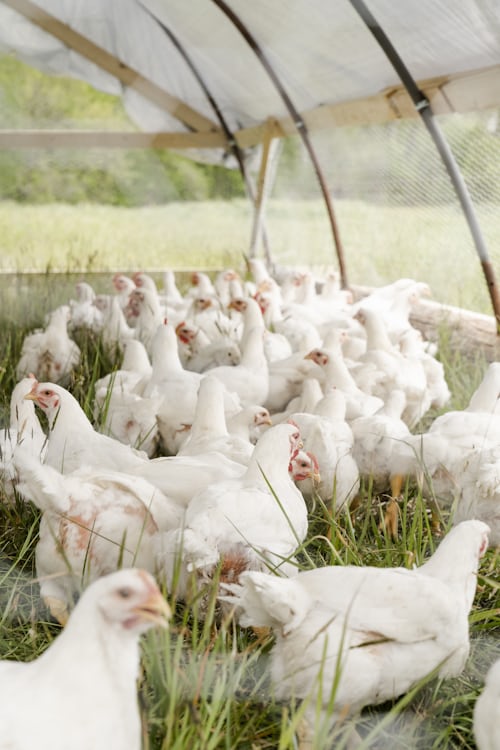
Australian authorities have expanded surveillance and strengthened biosecurity measures after a new detection of the highly pathogenic H5N1 avian influenza virus in a wild greater crested tern in Victoria, as the country works to prevent the virus from spreading into commercial poultry flocks. The latest development follows Australia's first mainland detection of H5N1 in June, which marked the virus's arrival on every continent and prompted a nationwide strengthening of preparedness and wildlife surveillance.
Victoria's Department of Agriculture confirmed that another greater crested tern found near Portland has tested positive for H5N1 avian influenza, with additional laboratory testing underway on a second suspected case. Authorities have activated enhanced surveillance, increased testing of wild bird populations, and urged the public to report sick or dead birds as part of efforts to detect further spread at an early stage. Importantly, there have been no confirmed infections in commercial poultry or livestock, and the risk to the general public remains low. Nevertheless, state and federal agencies are reinforcing biosecurity guidance for poultry producers and backyard bird owners as a precaution against potential spillover.
The latest detection reflects Australia's transition from responding to an isolated introduction of the virus to managing an evolving wildlife outbreak. Since H5N1 was first detected on the Australian mainland, confirmed cases have been reported across multiple states, with evidence suggesting the virus is circulating among migratory seabirds. While authorities have not reported infections in commercial poultry, the continued spread among wild birds has heightened concerns over the possibility of transmission into domestic flocks.
Globally, H5N1 has become one of the most significant animal health threats facing agriculture. The virus has devastated wild bird populations, caused substantial mortality among marine mammals, and resulted in the culling of hundreds of millions of poultry over the past several years. Beyond its ecological impact, outbreaks have disrupted food supply chains, reduced poultry and egg production, increased food prices, and triggered trade restrictions across affected countries.
Australia's response illustrates the growing importance of biosecurity as a cornerstone of modern agriculture. Governments are increasingly investing in wildlife surveillance, genomic sequencing, predictive disease modelling, and coordinated emergency response systems to detect emerging outbreaks before they reach commercial livestock. These capabilities are becoming as essential to safeguarding food security as advances in crop genetics, precision agriculture, and farm mechanization.
While Australia has so far avoided outbreaks in commercial poultry, the continued detection of H5N1 in wild birds underscores the need for sustained vigilance. As migratory bird movements continue and surveillance efforts expand, authorities will be closely monitoring whether the virus remains confined to wildlife or poses a broader threat to the country's poultry industry, food supply, and agricultural economy.