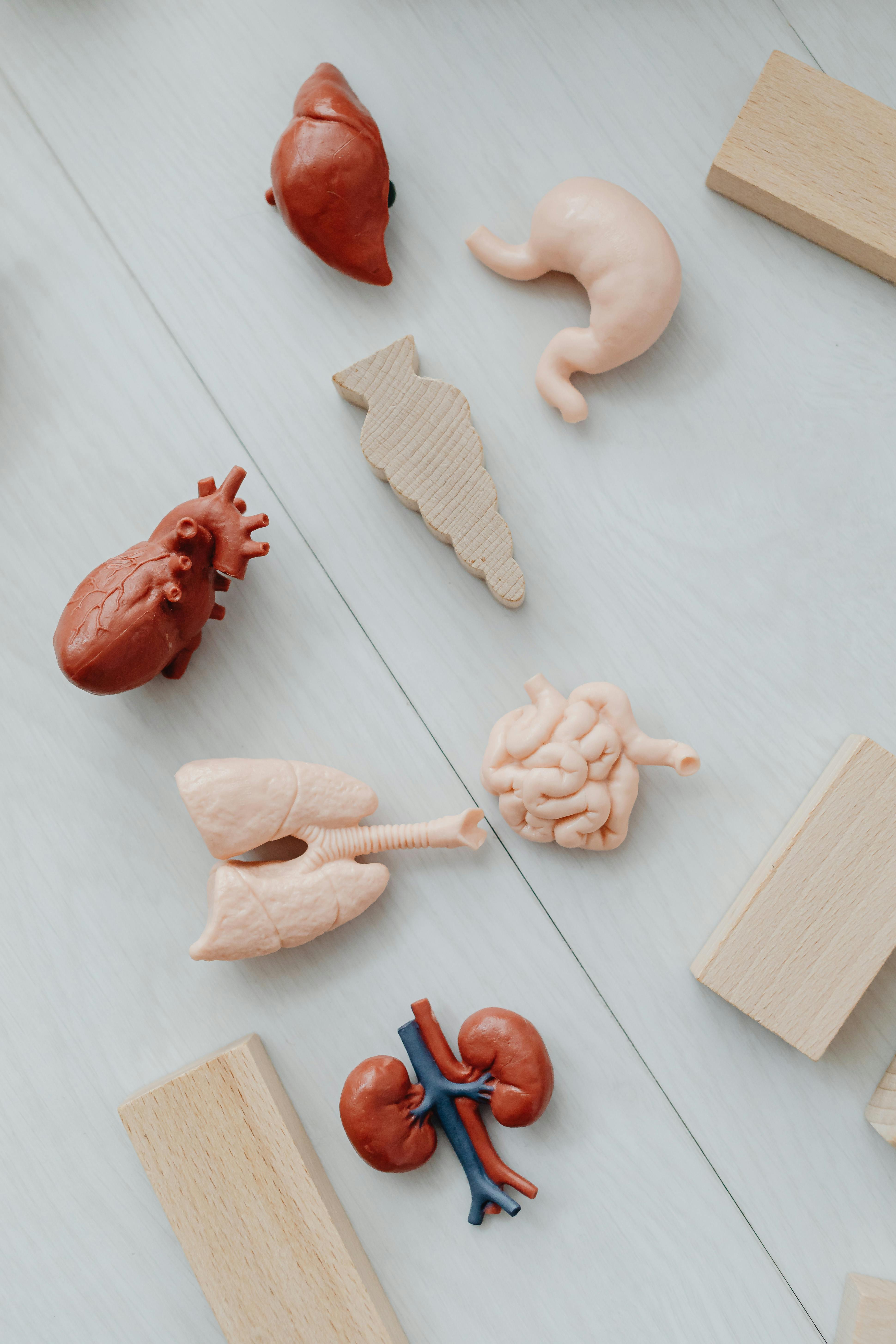
Scientists have reported a significant advance in regenerative medicine after developing a method that dramatically improves the survival of donor stem cells during interspecies organ generation. The breakthrough addresses one of the field's longstanding biological challenges and could accelerate efforts to grow transplantable human organs in animal hosts, offering new hope for addressing the global shortage of donor organs.
The research focuses on a process known as interspecies chimerism, in which stem cells from one species are introduced into the embryo of another with the aim of generating functional organs. While the approach has long been viewed as a promising solution to organ shortages, progress has been limited because donor cells are often recognized as foreign and eliminated during the earliest stages of embryonic development, preventing them from contributing to organ formation.
The research team discovered that blocking a biological process known as **xenophagocytosis**—a cellular mechanism through which host cells identify and eliminate foreign cells—significantly improved the survival and integration of donor stem cells within developing embryos. By preventing this early immune-like response, researchers observed substantially greater donor cell persistence, increasing the likelihood that these cells could contribute to the formation of functional tissues and organs.
The findings represent an important step toward one of regenerative medicine's most ambitious goals: producing transplantable organs that are genetically matched to individual patients. Scientists envision a future in which a patient's own stem cells could be used to grow replacement organs, potentially eliminating many of the immune rejection challenges associated with conventional organ transplantation while reducing the lifelong need for immunosuppressive drugs.
The implications extend well beyond organ transplantation. Improving donor cell survival could also enhance disease modelling, developmental biology research, and drug discovery by enabling scientists to study human cells within living biological systems more effectively. Such models could provide deeper insights into congenital diseases, organ development, and the mechanisms underlying a wide range of human disorders.
Despite the encouraging results, researchers emphasize that important scientific and ethical challenges remain before the technology can move toward clinical application. Ensuring that donor cells develop only into intended organs, preventing unintended integration into other tissues, and addressing ethical questions surrounding interspecies embryo research will require continued oversight and rigorous scientific evaluation. Regulatory frameworks are also expected to evolve alongside advances in the field.
The breakthrough highlights the rapid convergence of stem cell biology, developmental biology, genetics, and regenerative medicine. Advances in gene editing, single-cell sequencing, artificial intelligence, and computational biology are providing researchers with increasingly sophisticated tools to understand how cells communicate, differentiate, and assemble into complex organs. These capabilities are accelerating progress toward therapies that were once considered purely theoretical.
Globally, the need for new approaches to organ transplantation continues to grow. Millions of people are living with end-stage organ failure, while the supply of donor organs remains far below demand. Patients often spend years on transplant waiting lists, and many die before a suitable organ becomes available. Technologies capable of generating transplantable organs could fundamentally transform transplant medicine and significantly reduce one of healthcare's most persistent challenges.
While clinical application remains years away, the latest findings represent meaningful progress in one of the most promising areas of life sciences research. As scientists continue to improve donor cell survival, understand developmental mechanisms, and refine organ generation techniques, regenerative medicine is moving steadily closer to a future in which laboratory-grown organs become a viable option for treating patients with life-threatening organ failure.