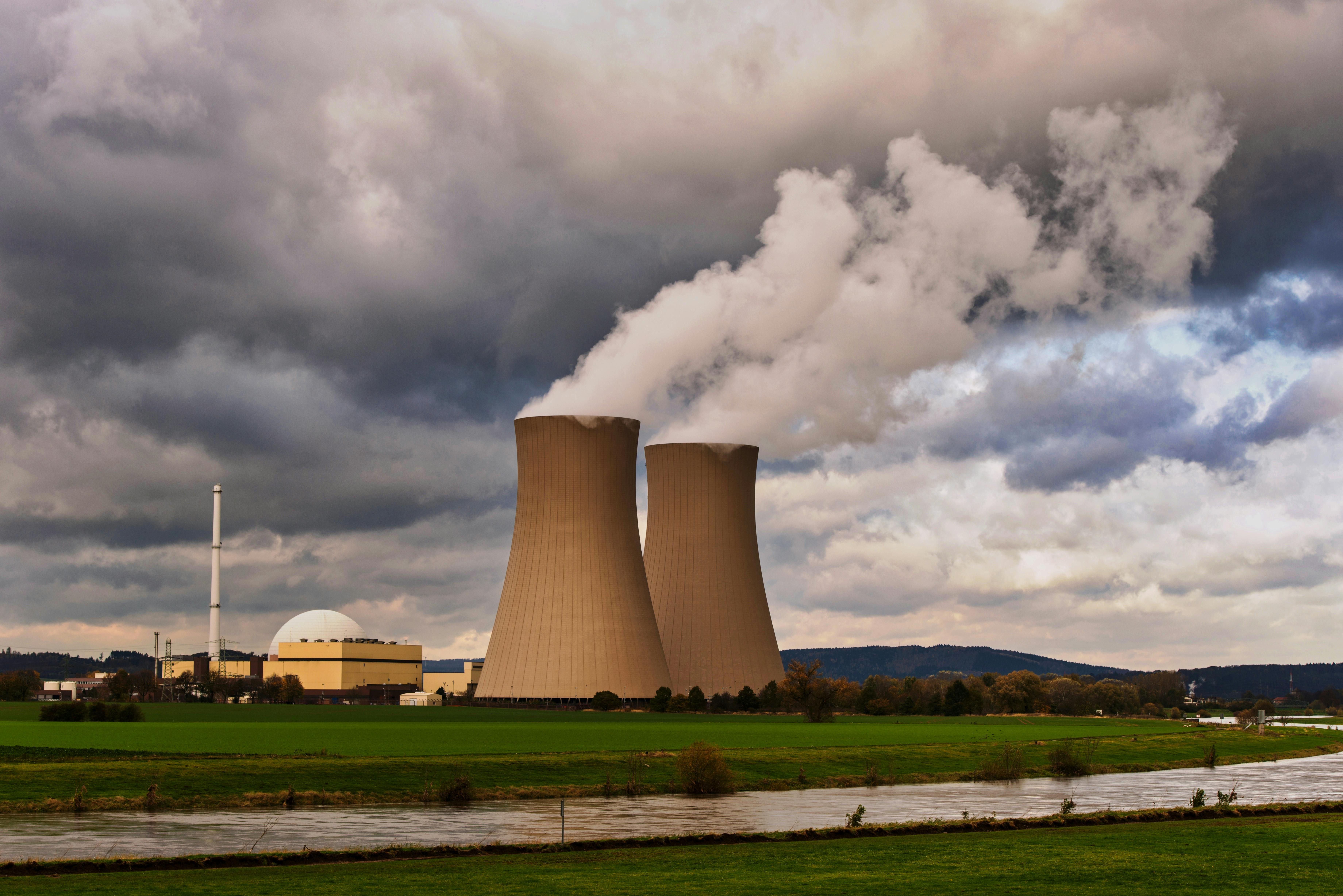
Romania has begun a complete shutdown of its only nuclear power plant after water levels in the Danube River fell to record lows, a dramatic consequence of the severe drought gripping Europe.
The state-owned nuclear energy company Nuclearelectrica confirmed it began the controlled shutdown of the second reactor at the Cernavoda plant on the morning of 13 August 2026. The plant, which generates approximately one-fifth of Romania's electricity, uses water from the Danube to cool its two reactors.
The first reactor was already taken offline in late July. Faced with the "significant and ongoing drop in the water level of the River Danube," the operator was forced to shut down the remaining unit to protect the safety of the reactors. The plant's director, Romeo Urjan, stated he does not foresee a restart within the next 10 days.
An Unprecedented Effort to Keep the Plant Online
The shutdown comes despite extraordinary efforts by Romanian authorities, which included military operations to try to maintain the water supply to the plant. Crews used explosives to blast rocks from a newly exposed riverbed and sank four barges filled with the rock fragments into the river in a bid to create an underwater barrier. The barrier was intended to divert water from a side channel back into the main flow, directing it toward the plant.
However, the continued dry weather and receding water levels ultimately made the operation ineffective, prompting the complete shutdown. It is the plant's first shutdown since a severe drought in 2003.
A Widespread European Crisis
The Danube River is not the only major waterway struggling under this summer's extreme conditions. The crisis at Cernavoda highlights a broader trend of worsening drought across Europe, driven by prolonged heatwaves and a lack of rainfall.
Analysis by the Copernicus climate observatory found that nearly two-thirds of the Danube recorded flow rates that were the lowest on record for the month of July in 34 years. A report by the World Weather Attribution group of scientists confirmed that the current severe drought is being worsened by human-induced climate change.
Impact on Energy Supply and the Region
Romania's Energy Ministry has stated that alternative sources, including wind power and electricity imports, are expected to cover the country's electricity supply. It has also issued a public appeal for "responsible consumption" to help manage the shortage.
The crisis extends beyond Romania's borders. The operator of the Paks nuclear plant in neighbouring Hungary has also announced plans to try to raise the water level of the Danube to ensure its continued operation, warning that it is on the brink of shutting down for the first time in its history.